


This page is licensed under Creative Commons under Attribution 4.0 International. Anyone can share content from this page, with attribution and link to College MatchPoint requested.
Register for our May 14th Webinar: A Deep Dive into the Full Admissions Cycle for the Class of 2025
The Class of 2025 faced a highly competitive college admissions cycle, with our expert counselors offering a comprehensive analysis of admissions data, trends, and implications for current 8th-11th grade students in an upcoming webinar. The session will cover early action, early decision, and regular decision results at top colleges, changing acceptance rates, test-optional policies, and the impact of extracurriculars and essays on successful applications, while providing strategic guidance for families navigating this evolving landscape with actionable steps younger students can take to strengthen their profiles as the process continues to change.
DOWNLOAD OUR GUIDE TO
College Admission Testing
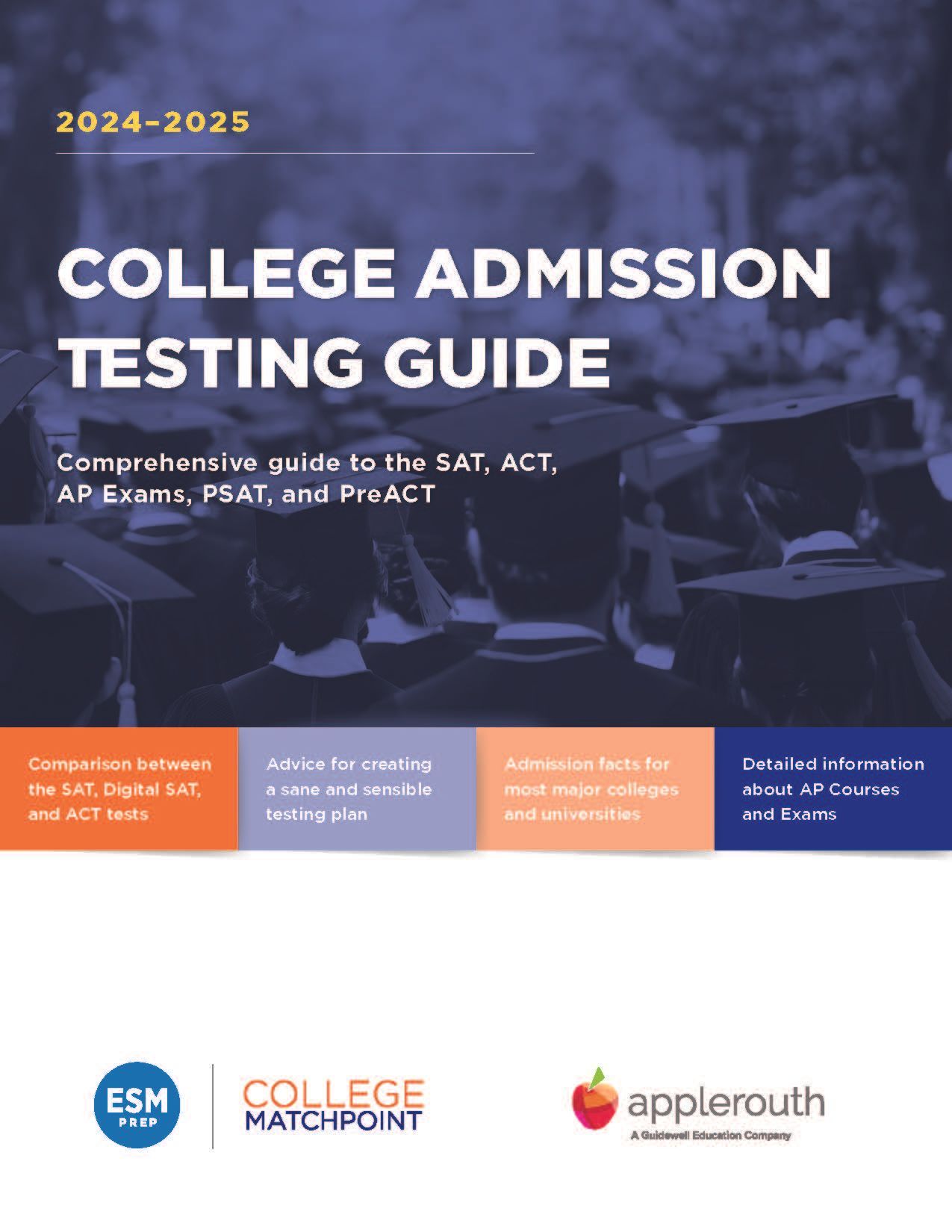
This comprehensive guide empowers families with expert insights on today's complex standardized testing landscape. It addresses critical questions about test-optional policies, digital SAT transitions, and strategic testing timelines that directly impact college admissions outcomes. The guide covers personalized testing strategies, accommodation application processes, and essential information about SAT, ACT, PSAT, and AP exams.
You might also be interested in these resources!

Does the PSAT matter for college admissions? Learn whether colleges see PSAT scores, how National Merit fits in, and what the test can tell you.

Key Takeaways Colleges across the country are increasing their efforts to recruit Texas students. Some out-of-state universities may offer attractive financial incentives to Texas applicants. Looking beyond the most familiar Texas schools could open up more options for admission, affordability, and fit.

What does UT Austin look for in extracurriculars? Learn how depth, initiative, impact, and fit to major can strengthen your student's profile.

Every admissions cycle produces headlines. The numbers underneath tell a more useful story. Here are five numbers from the cycle that just closed—and what they mean for families heading into this fall.

Every September, the new U.S. News rankings arrive and families treat them like a verdict. A school climbs five spots and parents take notice. A school slips seven and families quietly cross it off the list. The trap is believing those numbers tell you what your student's experience will actually be. They don't. With the next rankings arriving this month, here's what families should understand before letting a number influence a college list.

Your student will take the PSAT sometime in October, and almost everything you remember about this test has changed.